
Baseworks Research at The Neuro's Neuropsychology Day, Events & More
Sent: 2025-04-18 · Source: FluentCRM Archive
Pre-header: Explore Baseworks at The Neuro’s May 5 event. Open to all! Check out our upcoming events & more…
Hero — Baseworks at The Neuro’s Neuropsychology Day 2025
Section titled “Hero — Baseworks at The Neuro’s Neuropsychology Day 2025”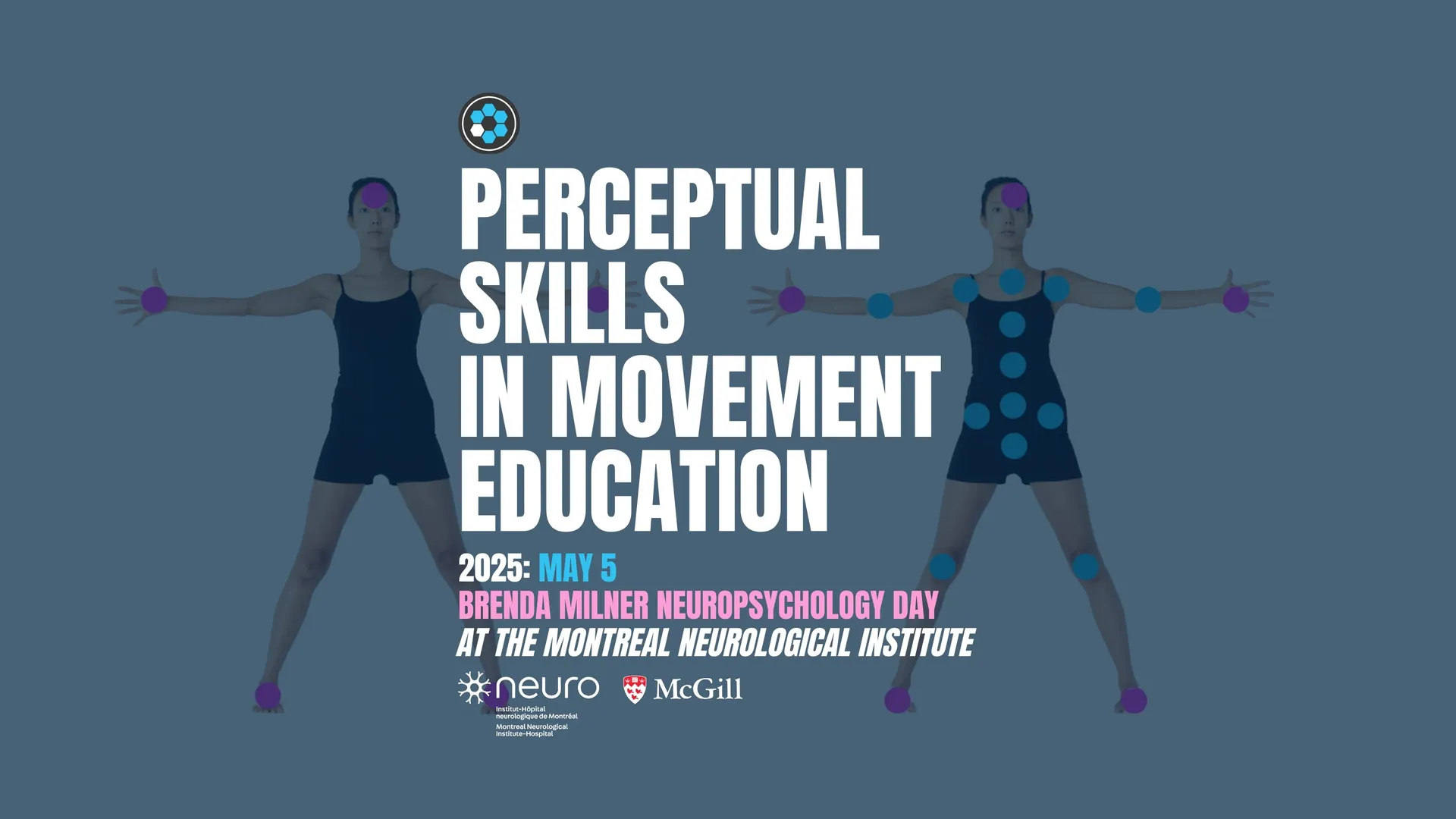
We’re excited to announce that Asia Shcherbakova, Baseworks co-developer and research associate, will present at the 26th Annual Neuropsychology Day and Brenda Milner Lecture on May 5, 2025, at the Montreal Neurological Institute (The Neuro).
Based on her abstract submission, her presentation, Perceptual Skills in Movement Education: A Study of Baseworks, will explore how Baseworks focuses on developing perceptual skills like kinaesthetic and proprioceptive awareness, with potential applications in neurorehabilitation and movement disorders.
Our work aligns with The Neuro’s mission, examining how Baseworks’ emphasis on perceptual skills can inspire new research in neuroscience, drawing on concepts like Adaptive Resonance Theory and the idiosyncrasies in sensorimotor integration. Asia’s research points at new possibilities for understanding movement, cognition, and brain function.
The Neuro, a world-class neuroscience hub since its 1934 founding by Dr. Wilder Penfield, is known for milestones like cortex mapping and its focus on Open Science through the Tanenbaum Open Science Institute. This event, honoring cognitive neuroscience pioneer Brenda Milner, is a platform for sharing innovative research and collaboration.
The event is free and open to the public, reflecting the Open Science principle that invites everyone, not just scientists. We’ve found past events inspiring and highly recommend attending if you’re interested in science. Come check out our research, connect with the neuroscience community, and explore talks on topics like learning, memory, attention, and neuropsychology.
CTA: MORE INFO
BRAIN FODDER
Section titled “BRAIN FODDER”
We often view movement through the narrow lens of physical health – workouts, steps counted, calories burned. But what if we were to perceive movement with a broader awareness, informed by how our brains truly learn and interact with the world?
Consider how Baseworks insists on focusing on the often-overlooked perceptual skills like kinaesthetic and proprioceptive awareness. Our brain constantly generates movement intentions and processes sensory feedback we’re often unaware of, but training can heighten our conscious connection to this sensory information.
This aligns with the idea that our brains learn and interact with the world through resonance – a dynamic interplay between incoming sensory data and our internal expectations.
Think about a simple act like reaching for a cup. It could be described based on the muscles involved. But through the lens of Baseworks and scientific frameworks like Adaptive Resonance Theory (ART), this movement is an interplay between the intention and sensory input. Your brain anticipates the cup’s location and weight (top-down expectation, based on past learning), while your hand and arm send back real-time feedback (bottom-up input). If the top-down and bottom-up signals match, the movement continues as planned according to a pre-learned movement routine.
According to ART, this process is unconscious and our actions are shaped by our habits. Through practice in Baseworks, if we learn to understand the intentions and listen to the sensory feedback, we can slip out of the pre-learned routines and change them, be it our movement or emotional habits.
To reflect:
Are you really consciously controlling your movements, or are you performing pre-programmed routines?
Baseworks principles like Micromovements and Distributed Activation encourage a deeper exploration of your overall perception and control over movement. This goes beyond simple repetition and promotes neuroplasticity, changing deeply ingrained movement habits.
This week, try this:
Challenge yourself to move with mindful curiosity. Instead of focusing solely on the outcome (e.g., lifting a certain weight or performing a technique), pay attention to the sensory landscape of the movement. What do you feel in your joints, your muscles, your balance? Can you identify subtle adjustments you make?
By shifting your focus from purely physical exertion to perceptual awareness, you unlock a deeper understanding of movement – one that extends beyond the gym and into the very fabric of how you experience and learn from the world around you.
UPCOMING STUDY LABS
Section titled “UPCOMING STUDY LABS”Study Labs offer an immersion to the Baseworks Method. For anyone new to Baseworks, participating in a study lab is done in conjunction with the Baseworks Primer Program.
New York Study Lab 2025
Section titled “New York Study Lab 2025”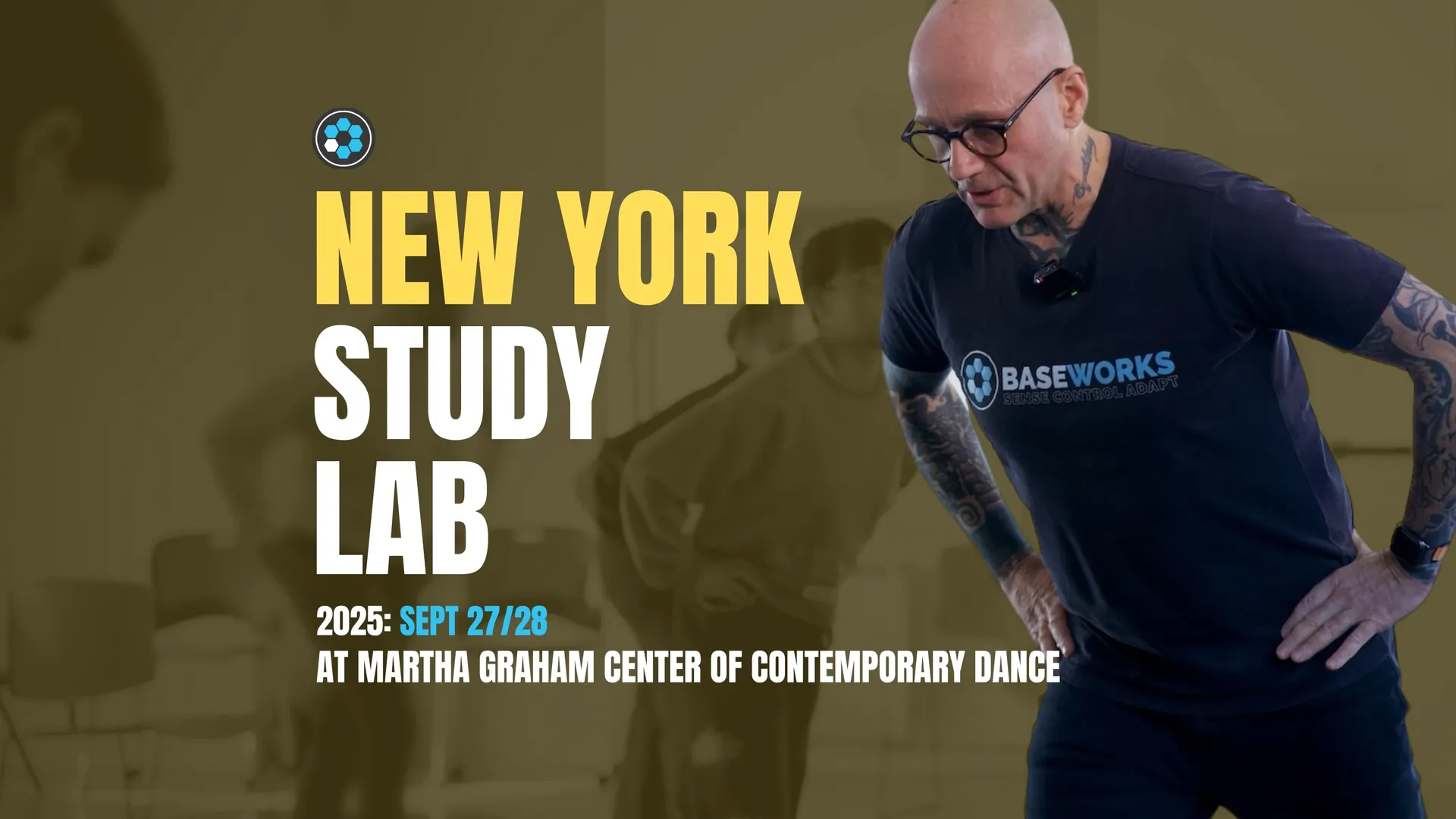
CTA: MORE INFO
London Study Lab 2025
Section titled “London Study Lab 2025”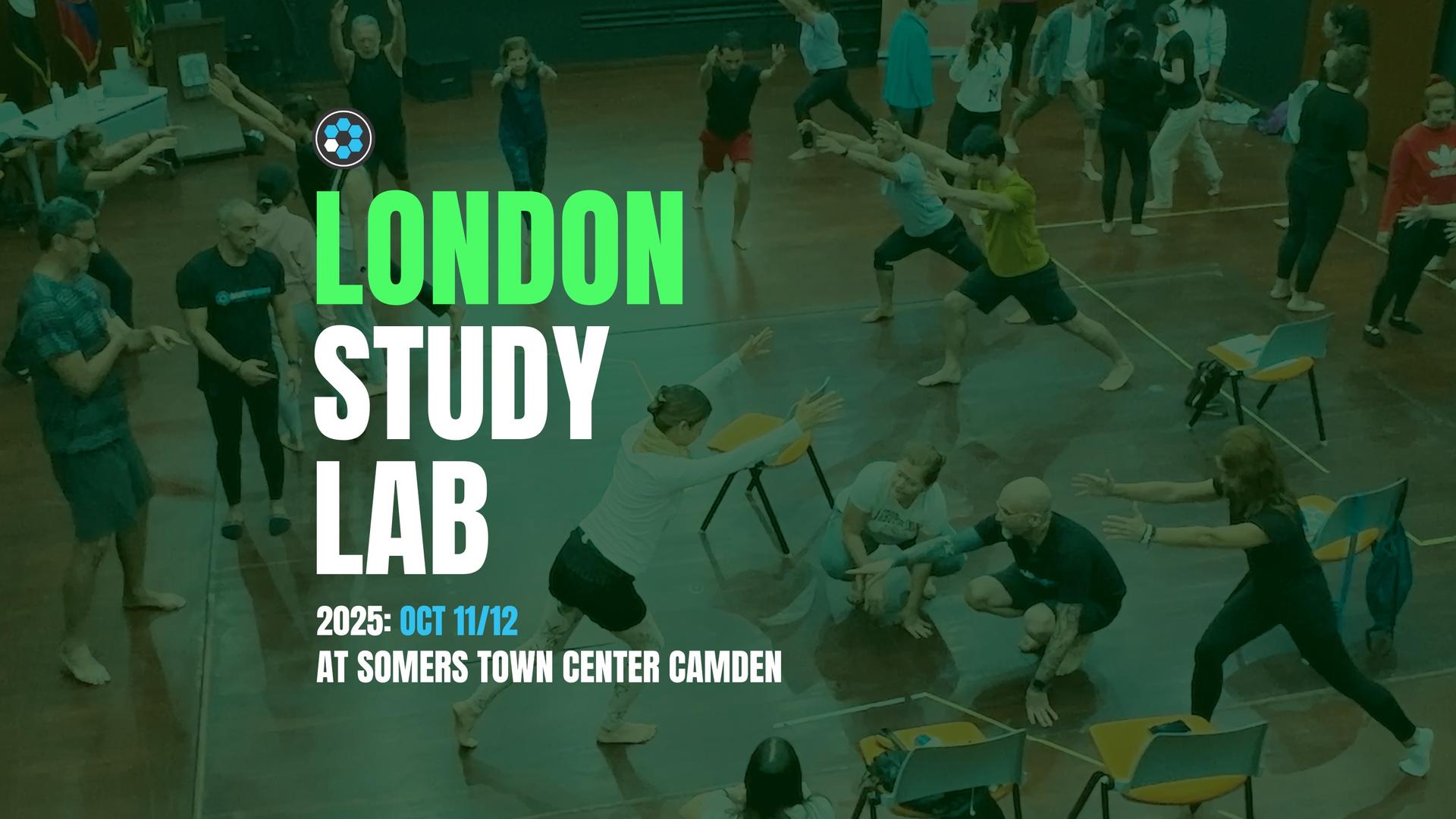
CTA: MORE INFO
Berlin Study Lab 2025
Section titled “Berlin Study Lab 2025”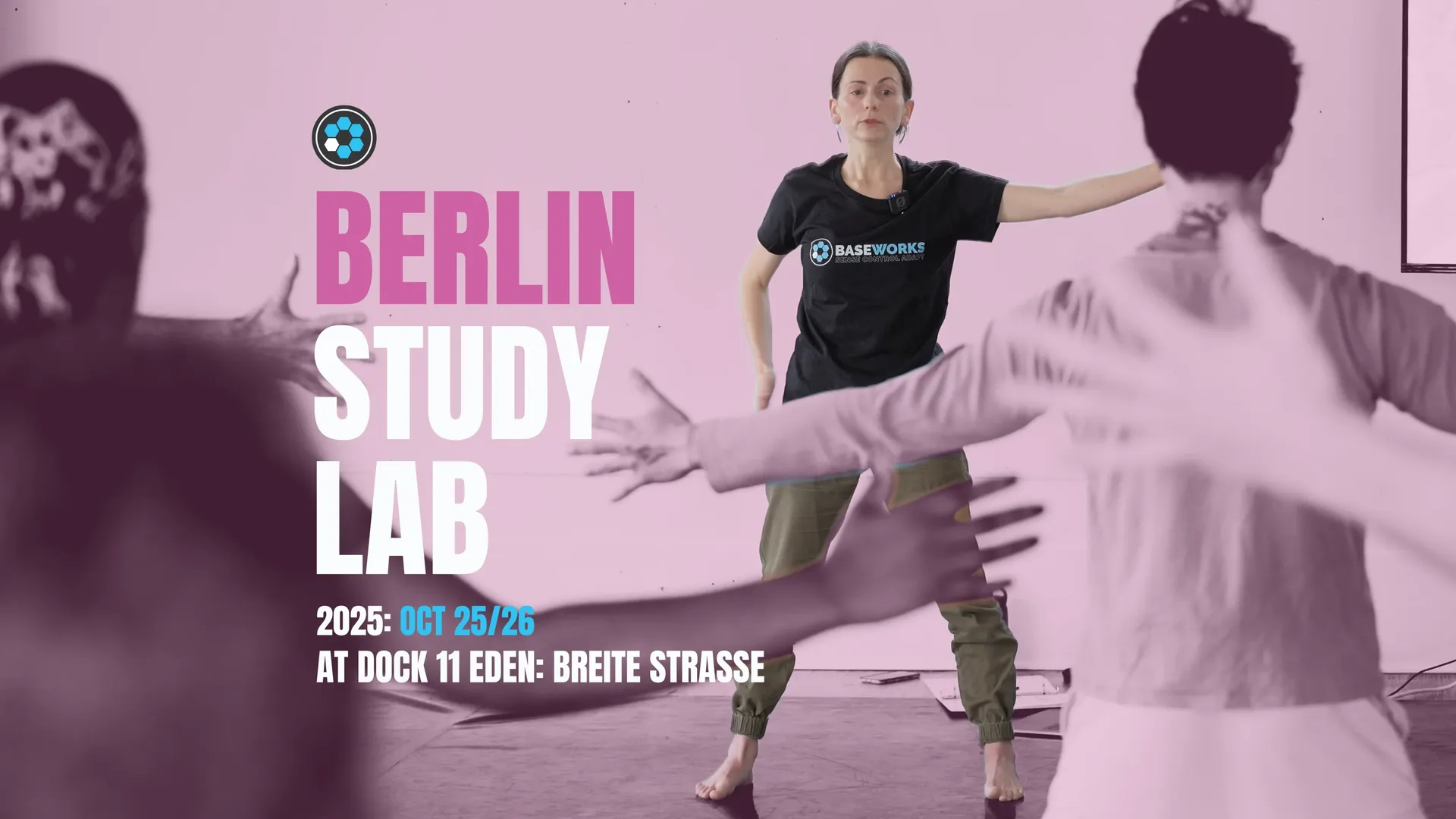
CTA: MORE INFO
NEXT TRANSMISSION EPISODE
Section titled “NEXT TRANSMISSION EPISODE”
The next episode of the Baseworks Transmission Podcast, features Palisa Anderson, founder of Boon Luck Farm and owner of Chat Thai in Australia.
Palisa is a second-generation restaurateur and first-generation organic farmer. Her work includes managing her family’s Thai restaurant chain and stewarding a 46-hectare organic farm in Byron Bay, where she grows specialty produce for her restaurants and leading chefs across Australia.
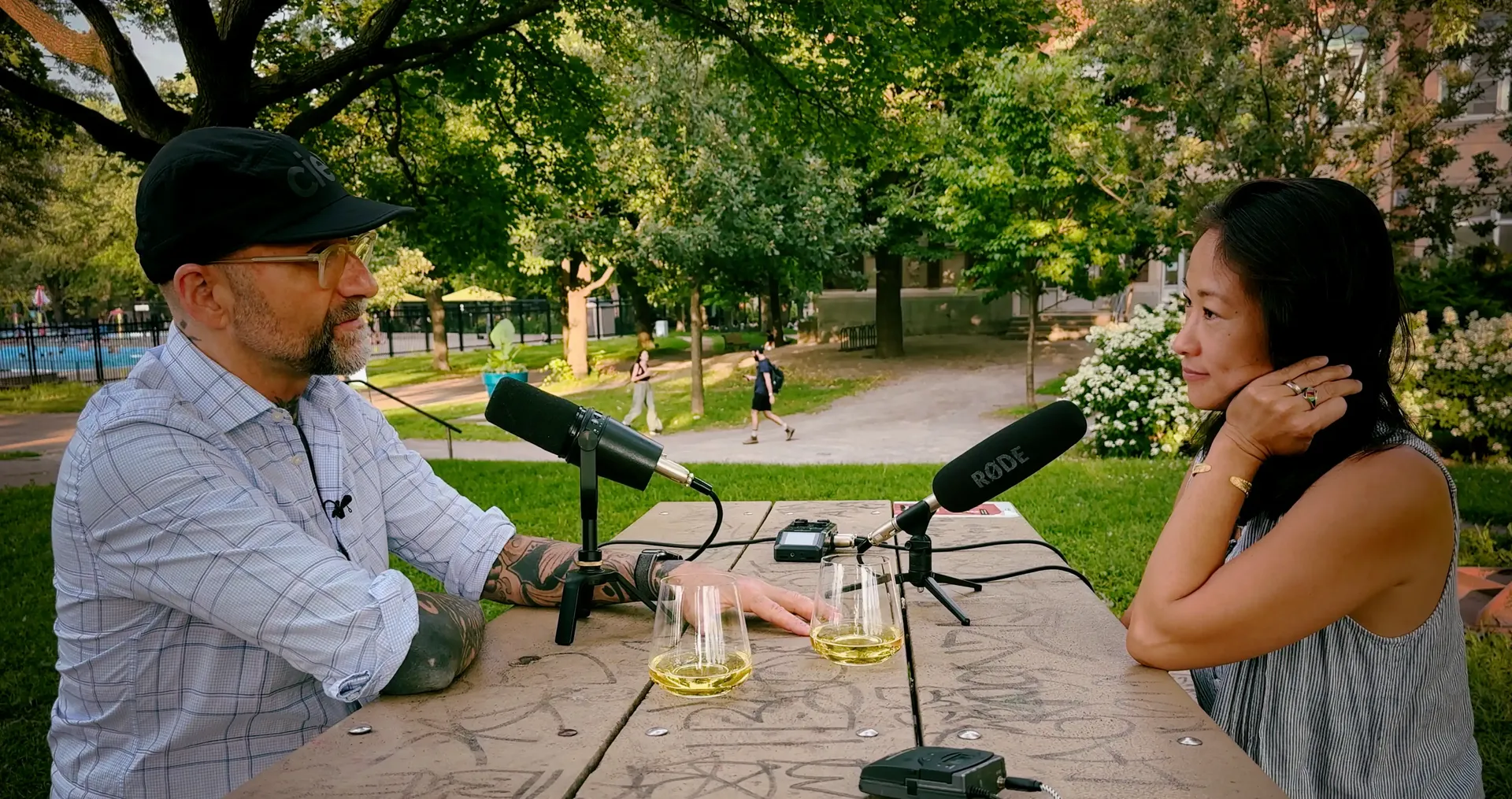
Patrick Oancia and Palisa talked in Montreal last summer in the middle of the funky Sir Wilfred Laurier Park over a bottle of white!
During the episode, they discuss Palisa’s transition from being a movement teacher in Australia and Tokyo, to becoming an uber successful organic farmer, writer and entrepreneur, and how her dedication to these diverse endeavors shaped her perspectives on commitment, adaptability, and community engagement.
Stay tuned for the release!
CTA: IN THE MEANTIME, CHECK OUT PAST EPISODES
Body & Button Links Referenced
Section titled “Body & Button Links Referenced”All body links carried UTM parameters: utm_term=lecture_study_lab&utm_medium=email&utm_source=newsletter&utm_content=neuro_psychology_day&utm_campaign=en_newsletter. UTMs are preserved in frontmatter (utm-campaign, utm-content, utm-term) but stripped from destination URLs above for readability.
Translations
Section titled “Translations”- Spanish: 2025-04-18-neuropsychology-day-the-neuro.es
- Japanese: 2025-04-18-neuropsychology-day-the-neuro.ja
Correlations
Section titled “Correlations”- 2025-05-neuropsychology-day — the event this newsletter promoted
- 2026-05-neuropsychology-day — return invitation for 2026; this 2025 newsletter is the template/precedent for the 2026 promotion
- asia-shcherbakova — presenter
- Neuro 2025 Abstract — the abstract submitted for this event (“Perceptual Skills in Movement Education: A Study of Baseworks”)
- 2022-02-mystery-of-proprioceptive-awareness — blog content that aligns with the Brain Fodder framing around perceptual skills
- Source-link anomaly: the Palisa podcast-scene image in the source newsletter was wrapped with the Berlin Study Lab URL — appears to be an editing mistake in the original email. Preserved as source artifact; not treated as a real correlation.
- Pending import: the Palisa Anderson podcast episode (#07 in the Drive podcast inventory) is referenced here but has no vault note yet. When that episode is eventually archived via a future import, add a bidirectional link back to this newsletter.
- Image provenance: original images were served from BeePro/BeeFree’s CloudFront CDN (
d15k2d11r6t6rl.cloudfront.net). All content images were re-hosted tomedia.baseworks.com/newsletters/2025-04-18-neuropsychology-day-the-neuro/so the archive is self-contained if the source expires.